
Understanding flood zone maps is crucial for real estate transactions. These maps categorize areas as low, moderate, or high risk based on historical data, regulatory guidelines, and topographical features. Lenders use these classifications to assess mortgage approvals, with higher-risk zones subject to stricter criteria like higher interest rates and mandatory flood insurance. Prospective buyers and developers must access the latest flood zone maps from reputable sources for informed decision-making, especially considering climate change's impact on coastal areas. Mitigation strategies include elevating structures, effective drainage systems, and updating emergency preparedness plans based on map information. Regularly checking for updates ensures proactive risk management.
In the realm of real estate, understanding flood zone maps is paramount for both buyers and sellers alike. These maps play a crucial role in navigating the risks associated with property acquisition, especially given the increasing frequency and severity of extreme weather events globally. However, deciphering these detailed geographic representations can be a challenge for many. This comprehensive guide aims to demystify flood zone maps, empowering readers with the knowledge to make informed decisions when investing in real estate located within identified flood-prone areas. By the end, you’ll possess the expertise needed to assess risk and make strategic choices.
Understanding Flood Zone Maps: A Basic Guide
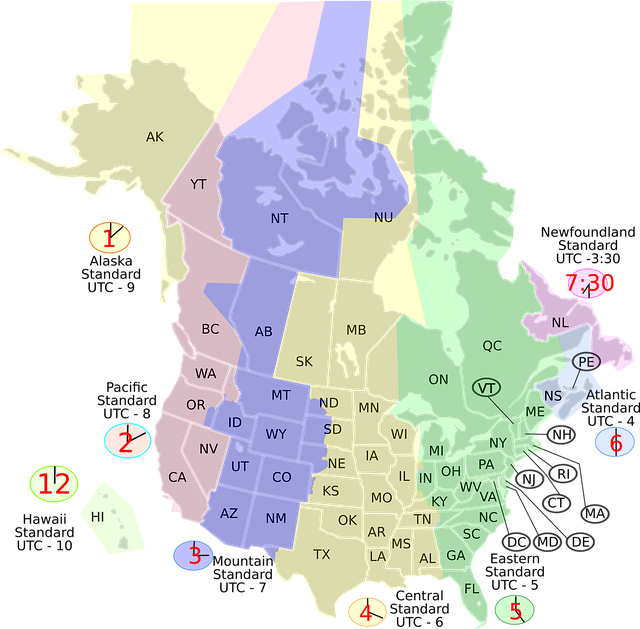
Understanding flood zone maps is a crucial step for anyone looking to purchase or develop property. These detailed tools offer critical insights into an area’s historical and potential flooding risks, which are essential considerations in real estate transactions. A flood zone map visually represents zones prone to flooding based on historical data, regulatory guidelines, and topographical features. It categorizes areas as low, moderate, or high risk, aiding lenders, buyers, and developers in making informed decisions.
For borrowers, understanding these maps is paramount when seeking financing. Lenders often require a comprehensive knowledge of the property’s flood zone designation as part of their assessment for mortgage approval. This requirement ensures that loans are issued responsibly, considering potential risks. For instance, properties in high-risk areas may face stricter lending criteria, including higher interest rates or mandatory flood insurance policies. Borrowers should be proactive in researching and interpreting these maps to avoid surprises during the financing process.
One key aspect to grasp is that flood zone maps evolve over time as new data becomes available and regulatory guidelines update. These dynamic tools account for changing climate patterns, urban development, and land-use practices. As a result, it’s advisable for prospective buyers or developers to access the latest versions from reputable sources, ensuring they have accurate and up-to-date information. By doing so, they can make more informed decisions, especially in light of increasing global concerns about climate change and its impact on coastal areas.
Interpreting Your Property's Risk: Flood Zone Map
When evaluating property for purchase or investment, understanding your location’s flood risks is paramount. A crucial tool in this assessment is the flood zone map, a detailed geographic representation of areas prone to flooding. These maps are designed by regulatory agencies and are an essential resource for both buyers and lenders when navigating real estate transactions, especially in low-lying or near-water areas.
The risk associated with a property’s location can significantly impact a borrower’s requirements. Lenders often refer to these as flood zone map borrower requirements, outlining specific measures needed to protect both the structure and its occupants. For instance, properties within high-risk zones may demand more stringent floodproofing standards or higher insurance premiums. According to FEMA data, over 9 million residential structures are located in flood zones across the United States, emphasizing the widespread importance of these maps.
Interpreting your property’s risk involves a thorough examination of the map. Identify the flood zone boundaries and understand the different classifications—from low-risk areas to those with the highest potential for inundation. Some maps provide additional layers of information, such as depth and velocity data, which can offer more precise insights into the severity of potential flooding events. For example, a 100-year flood zone indicates an area with a one percent chance of experiencing a flood in any given year, while a 500-year flood zone has a lower risk but much less frequent occurrence. By understanding these classifications, borrowers can make more informed decisions and plan accordingly for any necessary adaptations.
Consulting local authorities or real estate professionals who specialize in flood zone maps is advisable to gain a comprehensive view of the property’s history and potential risks. They can provide valuable context and help interpret the map’s data, ensuring you’re fully aware of any borrower requirements related to flooding before finalizing your purchase or investment.
Mitigating Risks: Actions After Mapping Your Area

After mapping your area using a flood zone map, understanding the risks is only the first step. Mitigating these risks is crucial for any homeowner or prospective borrower. The flood zone map borrower requirements often include specific measures to ensure safety and compliance with local regulations. One key action is to review and elevate essential structures above potential flood levels. This may involve reinforcing foundations, raising electrical panels, or installing water-resistant barriers. For instance, in areas prone to river floods, homeowners might need to construct levees or buy flood insurance, which can significantly reduce financial exposure.
Another strategic move is to implement effective drainage systems. Properly designed and maintained drainage can prevent excess water from pooling around your property. This includes ensuring downspouts lead far away from foundations and installing surface drains that direct water flow into municipal storm sewers or retention ponds. These proactive steps not only protect against immediate flooding but also reduce the likelihood of future damage. Borrowers should check with local authorities to understand specific drainage requirements, as these can vary widely depending on the region’s flood zone map classification.
Additionally, it’s vital to update and review your emergency preparedness plan based on the insights gained from the flood zone map. This might involve creating an evacuation kit tailored to potential flooding scenarios, establishing safe meeting points for family members, and ensuring access to critical supplies like flashlights, batteries, and portable radios. Regularly testing smoke alarms and carbon monoxide detectors is also essential, as power outages can occur during or after floods, increasing the risk of fire hazards. By integrating these measures into your daily life, you can better prepare for any eventuality outlined by your local flood zone map.
Staying Informed: Updates & Long-Term Planning
Staying informed about flood risks is a crucial aspect of responsible real estate investment and homeownership, especially when considering areas prone to such events. One essential tool in this regard is the flood zone map, which provides critical information for both current residents and prospective buyers or investors. These maps are regularly updated by regulatory bodies to reflect changes in topography, infrastructure, and weather patterns, ensuring that everyone remains on the same page regarding potential hazards.
For borrowers looking to secure financing, understanding the implications of being in or near a flood zone is paramount. Lenders will often require specific disclosures and may even deny loans if properties are deemed high-risk. The Federal Emergency Management Agency (FEMA) regularly updates its maps, providing detailed information on Special Flood Hazard Areas (SFHAs). Borrowers should familiarize themselves with these zones, as they directly impact their insurance options, mortgage rates, and overall borrowing capacity. For instance, a property in an SFHA might require flood insurance, which can significantly affect the overall cost of owning a home.
Long-term planning involves not only understanding current risks but also predicting future scenarios. Historical data and climate change models suggest that certain regions are becoming more susceptible to flooding due to rising sea levels and intense storms. Property owners and investors should stay abreast of these trends, as they can impact property values and insurance premiums over time. Regularly checking for updates on flood zone maps is a proactive step in managing risk effectively. This includes monitoring local government websites and subscribing to relevant newsletters or alerts that notify residents of any changes or new developments related to flood zones.