First-time homebuyers in flood zones must consult flood zone maps, which indicate risk levels and influence insurance, interest rates, and property value. Based on historical data, these maps range from low to high risk, with specific regulations and financial implications for properties in different zones. Expert advice is crucial for navigating these complexities and making informed decisions.
Understanding a flood zone map is paramount for first-time homebuyers, offering crucial insights into property safety and potential risks. These maps, meticulously designed by authorities, illustrate areas prone to flooding, enabling informed decisions. However, navigating this information can be daunting for newcomers. This article serves as your authoritative guide, demystifying complex data and providing clear explanations. We’ll dissect the components of a flood zone map, clarify common misconceptions, and offer practical tips for interpretation. By the end, you’ll be equipped with the knowledge to make confident choices in any real estate market.
Understanding Flood Zone Maps: A Beginner's Guide
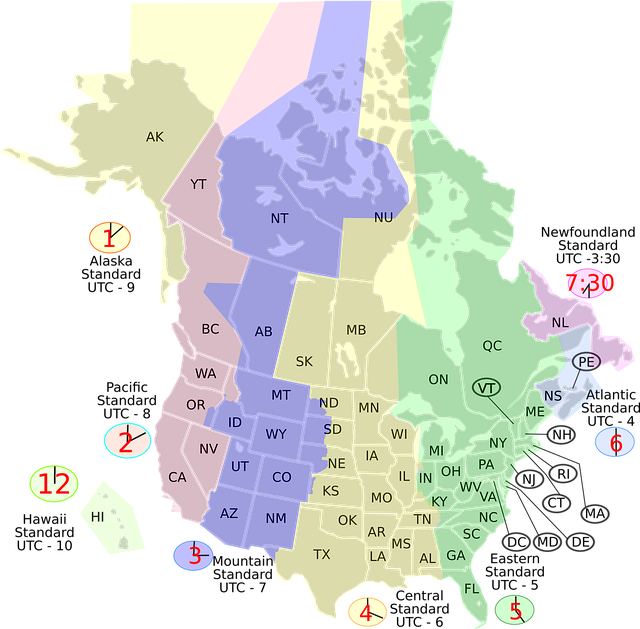
For first-time homebuyers, navigating the complexities of purchasing a home within a flood zone can be an intimidating process. Understanding flood zone maps is a crucial step in this journey. These detailed maps, maintained by local and national regulatory bodies, illustrate areas prone to flooding based on historical data and statistical models. They serve as essential tools for borrowers, lenders, and insurers, helping to mitigate risks associated with flood-prone properties.
Flood zone map borrower requirements are designed to ensure transparency and protect both the buyer and lender. When applying for a mortgage, lenders often demand evidence of the property’s location relative to designated flood zones. This verification process is crucial because homes in high-risk areas may require more stringent insurance policies or even face higher interest rates due to increased lending risks. For instance, according to recent data from FEMA, over 13 million properties are located in special flood hazard areas across the United States.
Borrowers can access flood zone maps through various online platforms and local government resources. These maps typically display different zones, each with its own risk category, ranging from low to high. Understanding these classifications is key to making informed decisions. For instance, a Zone A property represents a high-risk area, while a Zone B region might be slightly less prone to flooding but still requires specific considerations for insurance and financing. Before finalizing a purchase, borrowers should consult with lenders, real estate agents, and insurance professionals to fully comprehend the implications of living in or purchasing a home within these zones.
Decoding Map Layers: What to Look For
When navigating the process of purchasing a property, especially for first-time buyers, understanding a flood zone map is an essential step. These maps play a critical role in revealing potential risks and are a key component of what lenders refer to as borrower requirements when assessing a property’s safety and value. Decoding the layers within these maps requires a keen eye for detail as each layer represents distinct data points that collectively paint a comprehensive picture of flood-prone areas.
The primary focus should be on identifying various zones, typically denoted by different colors or shading, which indicate varying levels of flood risk. Darkly shaded areas generally represent high-risk zones where flooding is frequent and severe. Lighter shades may signify lower-risk regions, but it’s important to note that even these areas can experience occasional inundation. Many factors influence a property’s likelihood of flooding, including topography, proximity to water bodies, and historical flood data. For instance, properties situated near rivers or with low elevation are more susceptible, regardless of their shading on the map.
Additionally, these maps often include layers depicting specific flood events, such as 100-year or 500-year floods. The 100-year flood map, for example, illustrates areas that have a one percent chance of experiencing a flooding event in any given year. Understanding these layers is crucial when considering borrower requirements for insurance purposes, as lenders often mandate flood insurance for properties in high-risk zones. Property appraisers and lenders rely on this data to assess the property’s value and determine appropriate financing options for borrowers. By thoroughly examining these map layers, first-time buyers can make informed decisions and avoid unforeseen financial burdens associated with flooding risks.
Protecting Your Purchase: Mitigating Flood Risks

When considering a property purchase, especially for first-time buyers, understanding the local flood zone map is crucial to protecting your investment. A flood zone map, provided by federal, state, or local agencies, depicts areas prone to flooding based on historical data and risk assessments. Knowing where these zones are located enables borrowers to make informed decisions and mitigates potential financial risks associated with flood-prone properties.
For instance, a study by the Federal Emergency Management Agency (FEMA) has shown that properties in high-risk flood zones have significantly higher insurance premiums compared to low-risk areas. This is because the risk of flooding poses a substantial threat to buildings and their contents, leading to increased claims and, consequently, higher costs for insurers. As such, borrowers should not overlook these maps during the mortgage application process. Lenders often require borrowers in flood zones to obtain flood insurance as part of their loan terms, ensuring that both the borrower and the property are protected. This is a critical step in securing a home loan, especially in regions with a history of severe weather events leading to flooding.
To ensure you’re fully prepared when buying a home in a potential flood zone, consider seeking expert advice from real estate agents or mortgage brokers who can guide you through the process. They can offer insights into the local landscape and help you navigate any borrower requirements related to flood zones, such as obtaining a Flood Zone Determination (FZD) report, which confirms your property’s location relative to designated flood plains. This proactive approach will empower you with knowledge, enabling you to make sound decisions that safeguard your financial future and protect your valuable asset from potential flood-related hazards.