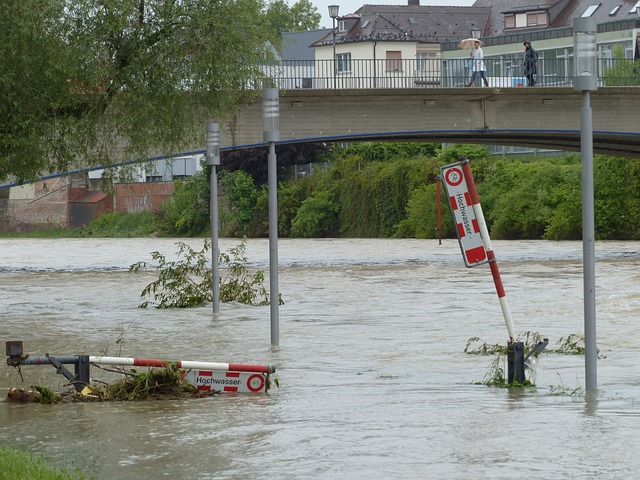
First-time homebuyers need to understand flood zone maps, which categorize lands into zones based on flood risk, impacting mortgage lending criteria. Lenders require these maps for loan applications. Key elements include color-coded zones and terms like Special Flood Hazard Areas (SFHAs). Understanding map data, historical flooding patterns, and environmental factors helps buyers make informed decisions, mitigate risks, and ensure secure investments. Consulting with lenders and experts is crucial.
For first-time homebuyers, navigating the complexities of purchasing property can be daunting, especially when considering potential risks like flood zones. Understanding a flood zone map is crucial for making informed decisions in what seems like a maze of regulatory information. This article serves as your authoritative guide to demystifying these maps, offering clear insights into their significance and how they influence real estate choices. By the end, you’ll be equipped with the knowledge to confidently assess flood zones, ensuring a smoother journey towards homeownership.
Understanding Flood Zone Maps: A Beginner's Guide
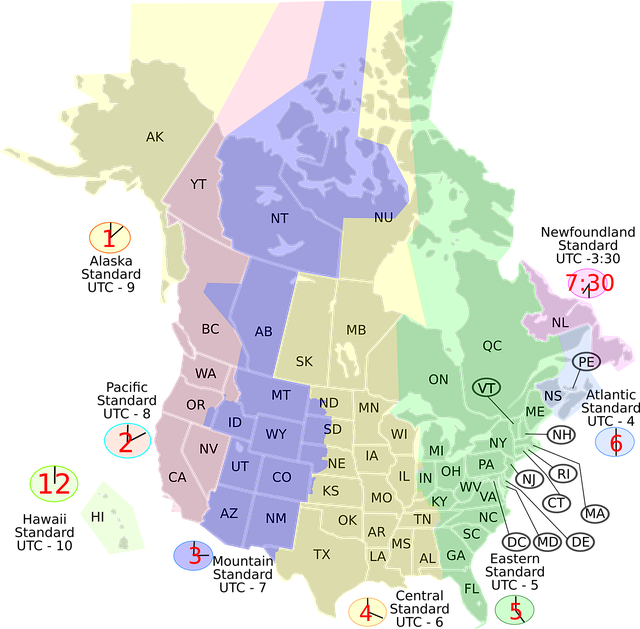
Understanding flood zone maps is a crucial step for any first-time buyer navigating the real estate market, especially in regions prone to flooding. These maps, meticulously created by government agencies, offer vital information about areas at risk of inundation, enabling borrowers to make informed decisions about their future homes. A flood zone map acts as a comprehensive guide, categorizing lands into zones based on their susceptibility to flooding events. This categorization is not just for academic interest; it has direct implications for mortgage lenders and homebuyers alike. Borrowers should be aware that many lending institutions require a current flood zone map as part of their loan application process.
The primary purpose of these maps is to assess and mitigate potential risks associated with flooding, which can have significant financial repercussions. For instance, properties located in high-risk zones often demand more stringent lending criteria, including higher interest rates or the requirement for specific types of flood insurance. Lenders use these maps to ensure they are extending credit responsibly, protecting both themselves and their borrowers from substantial losses. Homebuyers should not view these requirements as obstacles but rather as essential steps in securing a stable and safe mortgage.
When perusing a flood zone map, several key elements come into play. Colors or zones often signify different levels of flood risk, with varying shades indicating low, moderate, or high-risk areas. Understanding these visual cues is fundamental to interpreting the map accurately. Additionally, borrowers should familiarize themselves with terms like Special Flood Hazard Areas (SFHAs), which are areas particularly vulnerable to flooding, and Base Flood Elevation (BFE), a critical metric indicating the elevation at which water would cover the land during a 100-year flood event. By delving into these details, buyers can make well-informed choices, ensuring they avoid potentially hazardous locations or take necessary precautions to safeguard their investments.
Interpreting Data: What Does Your Map Show?
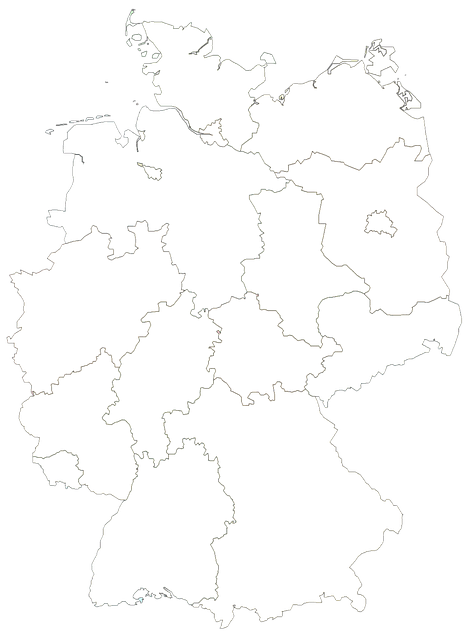
When reviewing a flood zone map for the first time, understanding its data is crucial for any prospective home buyer. These maps, often required by lenders as part of the loan approval process, illustrate areas prone to flooding based on historical and scientific data. Key elements to decipher include water bodies like rivers and coastal lines, elevation levels, and shaded zones denoting specific flood risk levels.
For instance, a map might utilize different colors or hues to represent varying flood risk categories—from minimal (lightest shade) to severe (darkest). This visual representation allows borrowers to identify not only if their potential property falls within a high-risk zone but also the likelihood and intensity of potential flooding events. Understanding these nuances is essential, as it directly impacts mortgage eligibility and borrowing capabilities. The flood zone map borrower requirements vary among lenders, with some imposing stricter criteria for properties in high-risk areas, potentially limiting financing options for borrowers in these locations.
Additionally, understanding the data can empower buyers to make informed decisions. Knowing the historical flooding patterns, for instance, can help determine if recent changes in elevation or land use have impacted risks. This knowledge may influence decisions regarding necessary flood insurance requirements, which can be a significant financial consideration. It’s advisable for borrowers to consult with lenders and real estate professionals to interpret their specific flood zone map data accurately, ensuring they are fully aware of any potential implications on their homeownership journey.
Assessing Risk: Factors Influencing Flooding Potential

When considering a property purchase, especially for first-time buyers, understanding the nuances of a flood zone map is paramount. Assessing risk isn’t merely about pinpointing bodies of water; it involves a complex interplay of environmental and geographical factors. Key elements like river flows, topography, soil composition, and historical rainfall patterns significantly influence flooding potential. For instance, regions with shallow rivers that experience sudden surges due to heavy downpours are more susceptible than areas with gradual slope inclines, even if they’re closer to water bodies.
A flood zone map serves as a critical tool for borrowers navigating these risks. Lenders and mortgage underwriters often require such maps as part of their risk assessment process. This is particularly the case in areas prone to flooding, where lenders must ensure they extend financing responsibly. The map provides a visual representation of zones at varying risk levels, guiding decisions on insurance policies and loan terms. Borrowers should be aware that properties in higher-risk zones might face stricter lending criteria or require additional precautions, such as elevated construction or improved drainage systems.
Understanding these dynamics empowers first-time buyers to make informed choices. It encourages proactive measures like consulting with local experts, reviewing historical flood data, and engaging professionals for site assessments. By embracing a comprehensive approach that incorporates a flood zone map borrower requirements, individuals can mitigate risks, ensure safety, and avoid potential financial setbacks associated with flooding.
Buying Wisely: Integrating Flood Zone Maps in Decisions
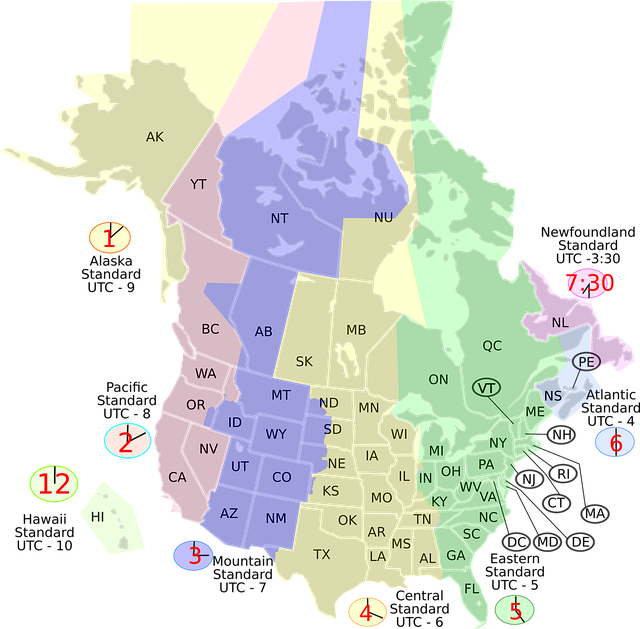
For first-time homebuyers, navigating the complexities of purchasing a home can be daunting. Among the many considerations, understanding flood zone maps is crucial for making informed decisions. These maps, provided by government agencies, offer vital insights into areas prone to flooding, helping borrowers avoid potential financial pitfalls. Integrating this information into your home-buying process is essential to ensure you’re not only securing a desirable property but also a sustainable investment.
Flood zone maps are designed to identify and delineate regions at risk of flooding due to various factors, primarily rivers, coastal areas, or severe weather events. They categorise these zones as Special Flood Hazard Areas (SFHAs), which can significantly impact mortgage eligibility and insurance requirements for borrowers. Lenders typically mandate a review of these maps as part of their borrower assessment process. For instance, in the United States, the Federal Emergency Management Agency (FEMA) maintains detailed flood zone maps that lenders often refer to when approving mortgages, especially in areas where historical flooding data indicates elevated risk.
When considering a property, borrowers should scrutinise flood zone maps and consult with mortgage specialists who can explain the implications. In some cases, properties located in SFHAs may not qualify for conventional mortgages, leading buyers to alternative financing options or prompting necessary modifications to address flood risks. Understanding these requirements early in the search process empowers first-time buyers to make strategic decisions, ensuring they don’t overlook essential aspects of homeownership that could affect their financial future.