
Understanding flood zone maps is vital for home buyers, especially in high-risk areas. These maps, required by lenders, detail property flooding vulnerabilities using colors and symbols. Historical data shows widespread flooding outside designated zones, emphasizing the need for comprehensive risk assessment. Mitigating risks involves research, elevation checks, specialists' advice, and flood protection measures.
In the real estate market, understanding your property’s risk of flooding is paramount for first-time buyers. With changing climates and increasing extreme weather events, navigating flood zones has become a complex task. This comprehensive report aims to demystify the process by providing an in-depth explanation of flood zone maps—essential tools for buyers seeking to make informed decisions. We’ll break down the significance of these maps, their role in hazard assessment, and offer valuable insights to ensure you’re equipped with the knowledge needed to accurately interpret them. By the end, readers will be able to confidently navigate the complexities of flood zones.
Understanding Flood Zone Maps: A Beginner's Guide
Understanding flood zone maps is a crucial first step for any prospective home buyer, especially those considering areas prone to flooding. These detailed maps, often required by lenders as part of borrower requirements, offer critical insights into a property’s vulnerability to flood risks. They serve as a visual guide, highlighting zones susceptible to various levels of flooding, from minor seasonal inundations to potential catastrophic events.
The map’s design incorporates specific symbols and colors to designate different flood risk areas, enabling buyers to make informed decisions. For instance, areas labeled in red often represent high-risk zones where flooding is frequent or severe, while yellow might indicate moderate-risk regions. This color-coding system simplifies the interpretation of complex data, making it accessible to borrowers without specialized knowledge. Lenders typically mandate these maps as part of their loan assessment process, ensuring buyers are fully aware of potential perils before committing to a purchase.
When navigating the complexities of real estate transactions, especially in flood-prone regions, having a clear understanding of flood zone maps is paramount. Borrowers should take the time to scrutinize these resources, cross-referencing them with local data and historical flooding records for a comprehensive risk assessment. This proactive approach can significantly mitigate potential financial losses and ensure borrowers make well-informed decisions that align with their specific circumstances and risk tolerances.
Assessing Your Property: Identifying Risks on the Map

When considering a property purchase, especially for first-time buyers, understanding the flood zone map is crucial. This tool provides insights into areas prone to flooding, which can significantly impact your decision and future financial obligations. Assessing your property’s location in relation to these maps is a critical step in the buying process. The flood zone map borrower requirements often vary by region, but it remains an essential component of any property evaluation.
Identifying risks on the flood zone map starts with recognizing the different zones designated for various flood scenarios. Zones can range from low-risk areas to high-risk zones, each with its own set of considerations. For instance, a property in a 100-year flood zone, as defined by the Federal Emergency Management Agency (FEMA), has a one percent chance of experiencing flooding in any given year. This information is vital for borrowers as it influences insurance premiums and loan eligibility. Lenders typically require borrowers to purchase flood insurance if their property falls within these high-risk zones, ensuring they are protected against potential financial losses.
Additionally, buyers should scrutinize historical data on flooding events within the vicinity. Local authorities often maintain records of past floods, which can provide valuable context for a property’s vulnerability. Understanding these risks allows borrowers to make informed choices and plan accordingly. For example, if a river or coastal area has experienced recurring floods, buyers might consider alternative locations or negotiate adjustments in loan terms to mitigate financial exposure. By proactively assessing flood zone maps, first-time homebuyers can avoid potential pitfalls and secure more favorable borrowing conditions.
Mitigating Hazards: What Homebuyers Should Know
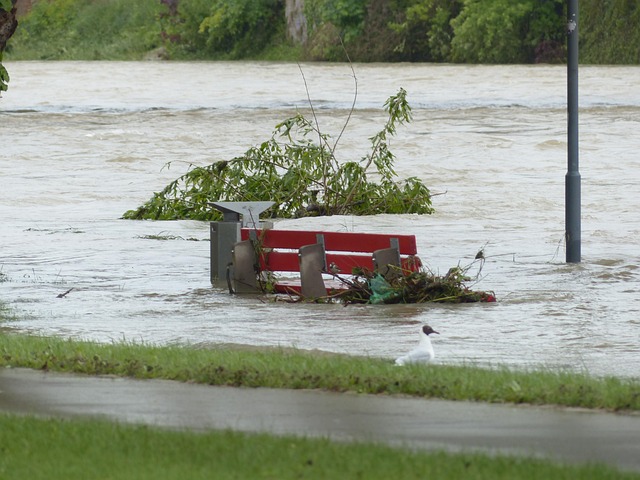
Understanding flood zones is a critical aspect of home buying that cannot be overlooked, especially for first-time borrowers. A flood zone map serves as a vital tool for assessing and mitigating potential risks associated with water inundation, which can significantly impact both property value and safety. This map categorizes areas based on their vulnerability to flooding, providing essential information for prospective buyers and lenders alike. By analyzing these zones, homebuyers can make informed decisions and implement necessary precautions before investing in a property.
For instance, borrowers purchasing homes in areas designated as Special Flood Hazard Zones (SFHZs) according to the National Flood Insurance Program (NFIP) are subject to stringent borrower requirements. These zones represent areas with a 1% annual chance of flooding, meaning they have historically experienced significant water events. Lenders typically mandate flood insurance for properties located in these zones to protect both the lender and the borrower. Homebuyers should also be aware that even properties outside SFHZs can face substantial risks during severe weather events. Historical data indicates that some regions have experienced widespread flooding beyond their designated flood zones, underscoring the importance of a comprehensive risk assessment.
Mitigating hazards associated with flood zones involves several practical steps. Homebuyers should engage in thorough research to obtain detailed and up-to-date flood zone maps from local authorities or government agencies. Consulting with real estate professionals who specialize in flood zone properties can provide valuable insights. Additionally, buyers must consider elevation levels, as higher ground is generally safer. Implementing flood protection measures such as barriers, doors, and check valves can also reduce potential damage. By proactively addressing these considerations, borrowers can ensure a smoother home-buying process and safeguard their investment against the financial and emotional toll of flooding.