
Flood zone maps are critical tools for first-time homebuyers, offering insights into potential flooding risks based on historical data and geographic features. These maps categorize areas as low, moderate, or high-risk and are mandated by federal guidelines. Understanding these maps is essential to secure financial future, avoid losses, comply with lending regulations, and interpret data effectively, including floodplains, special flood hazard areas (SFHAs), and base flood elevation (BFE). Proactive steps include recognizing lender requirements, considering climate change impacts, and engaging with community preparedness efforts.
In the real estate market, understanding one’s surroundings is paramount, especially when it comes to buying property for the first time. Among the many crucial factors, awareness of local flood zones stands out as a significant consideration. A comprehensive flood zone map serves as an indispensable tool, offering prospective buyers insights into potential risks and opportunities. This article aims to guide first-time homebuyers through the intricate world of flood zone maps, demystifying their significance and providing a strategic approach to informed decision-making in the face of varying water levels. By the end, readers will possess the knowledge needed to navigate this aspect of property acquisition with confidence.
Understanding Flood Zone Maps: A Primer for Homebuyers
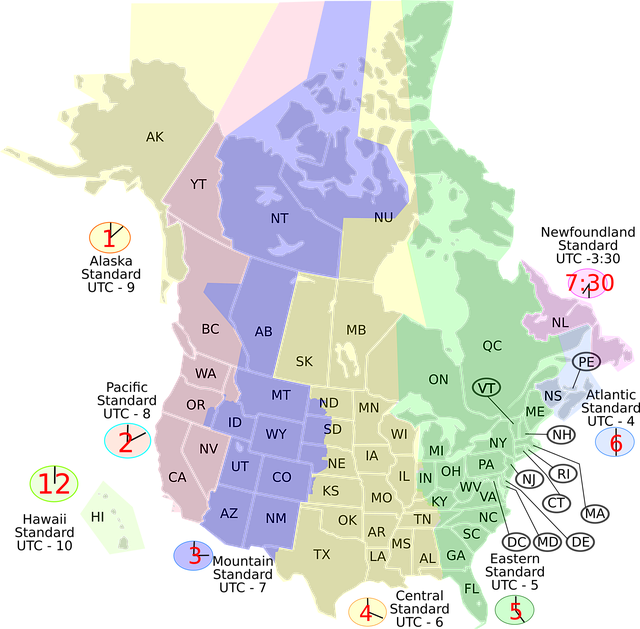
Flood zone maps are crucial tools for first-time homebuyers, offering critical insights into potential property risks. These detailed maps illustrate areas prone to flooding, based on historical data and geographic features. Understanding them is essential for making informed decisions and fulfilling borrower requirements when securing a mortgage. Lenders often demand evidence of awareness regarding flood zones as part of their risk assessment process.
The primary purpose of a flood zone map is to demarcate low-, moderate-, and high-risk areas, enabling buyers to assess the likelihood of their prospective property facing flooding events. These maps are generated by national mapping agencies, incorporating data from various sources like weather patterns, topographical surveys, and historical flood records. For instance, in regions with frequent storm surges, such as coastal areas, these maps will accurately portray the expected path and impact of rising waters. Knowing these zones allows buyers to avoid uninsurable properties or negotiate prices based on potential rehabilitation costs.
While federal guidelines mandate the availability of flood zone information, it’s up to borrowers and their lenders to interpret and utilize these data effectively. Borrowers should not solely rely on visual inspection but delve into the specifics outlined in the map’s legend. This involves understanding floodplains, special flood hazard areas (SFHAs), and base flood elevation (BFE) data, which collectively paint a comprehensive picture of potential risks. For example, properties within 100 feet of a watercourse or with a BFE exceeding 3 feet above the surrounding terrain are typically classified as high-risk, necessitating specific insurance requirements for loan approval.
By proactively studying flood zone maps and being prepared to meet borrower requirements related to flooding potential, first-time homebuyers can secure their financial future and avoid unforeseen disasters. This due diligence not only protects against substantial monetary losses but also ensures compliance with lending regulations.
Assessing Your Property's Risk: Interpreting the Map

When purchasing a home, especially for first-time buyers, understanding your property’s flood risk is paramount. A flood zone map serves as a crucial tool to assess this risk, providing detailed information about areas prone to flooding. These maps are designed by government agencies and are based on historical data, topographical features, and climate patterns. They help lenders and borrowers make informed decisions regarding property acquisition, particularly in regions with a history of flooding.
Interpreting the flood zone map requires careful attention to details. The map will typically display different zones, indicating varying levels of flood risk. Zones designated as “Special Flood Hazard Areas” (SFHA) are at the highest risk, often reflecting areas near rivers, lakes, or coastal regions with a historical propensity for flooding. Within these zones, lenders usually require additional measures and documentation from borrowers to mitigate risks. This may include more stringent down payment requirements, increased mortgage insurance premiums, or even refusal to provide financing altogether unless comprehensive flood protection plans are in place.
For instance, the Federal Emergency Management Agency (FEMA) in the United States updates its flood maps regularly, utilizing advanced technology and data analysis. These maps help lenders comply with national flood insurance program (NFIP) requirements, ensuring that borrowers in high-risk areas obtain adequate coverage. According to FEMA’s data, approximately 10% of properties in the US are located in high-risk flood zones, emphasizing the significance of these maps in the mortgage process. By understanding their implications and taking proactive steps, first-time homebuyers can navigate this aspect of property ownership with confidence, ensuring a secure financial future despite potential flooding risks.
Navigating Legal Requirements and Insurance Implications

Navigating Legal Requirements and Insurance Implications for First-Time Buyers when Using a Flood Zone Map
For first-time homebuyers, understanding the intricacies of flood zone maps is an essential part of the home-buying process. These maps, maintained by the Federal Emergency Management Agency (FEMA), classify areas based on their susceptibility to flooding. Compliance with legal requirements and insurance implications are critical aspects that often get overlooked but carry significant weight. Lenders and borrowers must work together to ensure a smooth transaction while mitigating financial risks associated with flood-prone properties.
One of the primary borrower requirements is to obtain an up-to-date flood zone map from FEMA, which categorizes a property as being in a Special Flood Hazard Area (SFHA) or not. This map plays a crucial role in determining insurance obligations and lending guidelines. For instance, if a home falls within an SFHA, federal flood insurance may be required, impacting the overall cost of homeownership. First-time buyers should consult with lenders who are well-versed in these regulations to avoid potential pitfalls. Lenders will often conduct a property evaluation, using the flood zone map to assess the risk and guide their decision-making process regarding loan approval and interest rates.
Moreover, insurance companies consider flood zone maps when calculating premiums. Properties in high-risk areas typically face higher insurance costs due to the increased likelihood of flooding events. Borrowers should explore various insurance options, understanding that some providers may offer tailored coverage for specific flood zones. For instance, private insurers might propose different terms and rates compared to federally backed programs. By comparing quotes and understanding these implications, buyers can make informed choices, ensuring they are adequately protected without unnecessary expenses.
In light of these considerations, it’s crucial for first-time buyers to engage in proactive research. They should consult local officials and real estate professionals who can guide them through the complexities. Regularly updating flood maps is essential, as areas previously deemed safe might change over time due to climate shifts or urban development. Staying informed about these dynamics ensures borrowers make well-advised decisions, aligning with legal requirements and protecting their investment.
Preparing and Protecting Your Investment: Beyond the Map
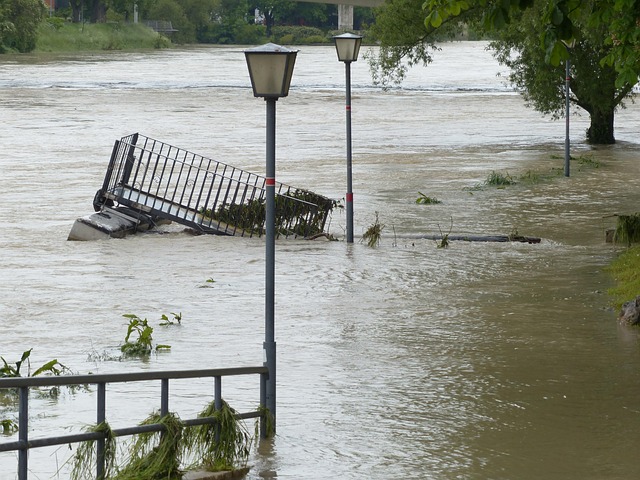
Understanding a flood zone map is just the beginning when considering purchasing property in potentially vulnerable areas. While these maps offer crucial insights into past flooding events and probabilities, there’s much more to preparing and protecting your investment beyond simply reviewing the data. As a first-time buyer, it’s essential to go beyond the map and consider proactive steps that can safeguard your financial future.
One key aspect is recognizing that flood zone map borrower requirements often come into play during the financing process. Lenders typically assess properties in flood zones more rigorously than those outside these areas. This may involve mandating specific measures like elevated electrical panels, improved drainage systems, or even requiring flood insurance as a condition of lending. Being proactive and informed about these requirements can help avoid surprises later on. For instance, some lenders might offer specialized loan products designed for high-risk flood zones, offering more flexible terms but with increased interest rates or stricter maintenance expectations.
Additionally, envisioning potential future scenarios is vital. Even if your property has not historically flooded, changing weather patterns and climate change can significantly alter risk levels over time. Keeping abreast of local climate studies and regulatory updates related to flood zones can help guide strategic decisions, such as investing in adaptive infrastructure or choosing resilient building materials during renovations. Moreover, staying engaged with community preparedness efforts can provide valuable insights into the specific challenges and solutions unique to your area.
By integrating these considerations into your property search and investment strategy, you’re not just reacting to a flood zone map; you’re preparing for an ever-changing landscape, ensuring that your home—and your financial well-being—are as secure as possible in the face of potential flood risks.