Understanding flood zone maps is crucial for real estate transactions, especially mortgage applications. These maps, created by government agencies, categorize lands into zones based on flood risk levels. Lenders require these reviews, impacting interest rates and loan terms. Properties in higher-risk zones face stricter regulations, higher insurance premiums, and enhanced flood insurance requirements. Borrowers should consult professionals for a smooth process when purchasing or refinancing within these areas.
In the realm of real estate, understanding your property’s vulnerability to flooding is a crucial step for any buyer, seller, or investor. With climate change intensifying weather events, navigating flood zone maps has become an indispensable skill for making informed decisions. These maps, intricately detailing high-risk areas, play a pivotal role in assessing property value and insurance considerations. However, their complexity often leaves buyers confused. This comprehensive guide aims to demystify flood zone maps, providing an authoritative resource for anyone seeking to decipher this vital tool and ensure a secure investment.
Understanding Flood Zone Maps: A Basic Guide
Understanding flood zone maps is a critical step for anyone in the real estate market, especially borrowers. These detailed resources, often referred to as flood zone maps or flood hazard maps, are designed by government agencies to illustrate areas prone to flooding. They serve as essential tools for both buyers and lenders, ensuring informed decisions regarding property acquisition and financing. The maps categorize lands into zones based on their susceptibility to various flood events, from minor riverine floods to severe coastal storms.
For borrowers, understanding these maps is crucial when applying for a mortgage. Lenders will often require a review of the property’s location in relation to these maps as part of their borrowing requirements. This process helps assess the risk associated with lending money in a specific area and can impact interest rates and loan terms. For instance, properties located in higher-risk zones may be subject to stricter regulations and potentially higher insurance premiums. By familiarizing themselves with flood zone map terminology and interpretations, borrowers can better navigate this aspect of the mortgage process and make informed choices about their future homes or investments.
A key element of these maps is the Base Flood Elevation (BFE), which represents the height above a specific flood event, such as a 100-year flood. This data allows for precise determinations of floodplain boundaries. According to recent studies, over 9 million properties are located in special flood hazard areas across the United States, emphasizing the significance of these maps in community planning and disaster preparedness. When purchasing or refinancing within these zones, borrowers should consult with lenders and professionals who specialize in flood zone map interpretations to ensure a smooth process and avoid potential financial surprises.
Identifying High-Risk Areas Using Map Data
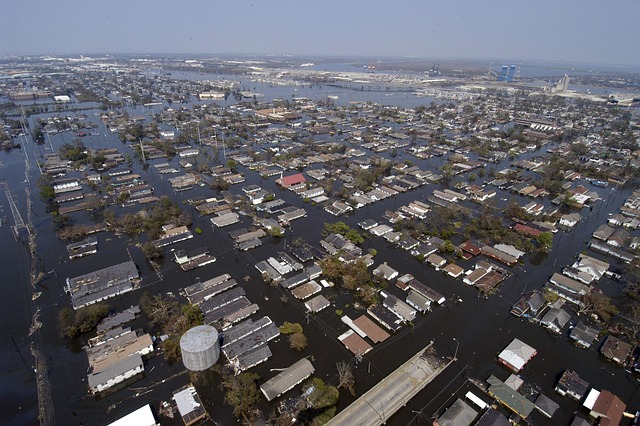
When perusing a flood zone map, understanding the nuances of the data is paramount for both real estate professionals and prospective borrowers. High-risk areas are identified using complex models that consider historical flooding events, topography, and water flow patterns. For instance, regions with elevated terrain or dense urban areas with limited drainage systems often fall into these categories. According to FEMA, nearly 10% of the United States is at risk of flooding, underscoring the importance of thorough examination.
Borrowers should be particularly attentive when purchasing property in these zones as they often face stringent regulations and requirements set by lenders. The flood zone map borrower requirements stipulate that loans secured in high-risk areas typically demand more robust flood insurance coverage, often exceeding standard policy limits. These guidelines are in place to mitigate financial risks associated with the inherent vulnerability to flooding. Lenders utilize up-to-date maps like those provided by FEMA to ensure compliance and protect both the borrower and the institution.
Additionally, borrowers should note that loan eligibility criteria may vary depending on the severity of the flood zone designation. Properties in areas identified as Special Flood Hazard Zones (SFHAs) usually face the most stringent requirements. This proactive approach ensures that borrowers are fully informed about potential financial obligations and can make informed decisions regarding their real estate investments. By understanding these nuances, individuals can navigate the complexities of purchasing property in flood-prone regions with greater confidence and peace of mind.
Interpreting Symbolism on Your Local Flood Map

Understanding the symbolism on your local flood zone map is a critical step for any prospective property owner or borrower. These maps, meticulously created by regulatory agencies, use various symbols and colors to convey specific risks associated with different areas. For instance, a solid red line might indicate the 100-year flood plain—areas with a one percent chance of flooding in any given year—while a dashed line could represent a lower risk zone. Knowing these symbols is not just about avoiding water damage; it’s also a key factor in meeting borrower requirements for insurance and mortgage lending.
Many lenders, including those insured by government programs like FHA or VA, require borrowers to purchase flood insurance if their property falls within certain high-risk zones as identified on the flood zone map. This requirement is based on data from historical flooding events and advanced modeling techniques. For example, in coastal areas, a lender might mandate flood insurance for properties within 500 feet of the coast, as indicated by specific symbols on the map. By understanding these requirements, borrowers can proactively plan and budget for necessary coverage before securing financing.
Additionally, local governments often use these maps to implement zoning regulations, building codes, and development restrictions in flood-prone areas. These measures are designed to minimize potential damage from future flooding events. For instance, a property in a 100-year flood zone might be subject to stricter building standards or even have limitations on certain types of construction or land use. Borrowers should review these regulations to ensure their plans align with local requirements and avoid unexpected delays or costs during the lending process.
In summary, interpreting your local flood zone map is a crucial step in navigating both the buying and borrowing process. By familiarizing themselves with map symbolism and understanding associated borrower requirements, individuals can make informed decisions, comply with regulations, and successfully secure financing for their real estate ventures, even in high-risk areas.
Assessing Property Safety in Different Zones
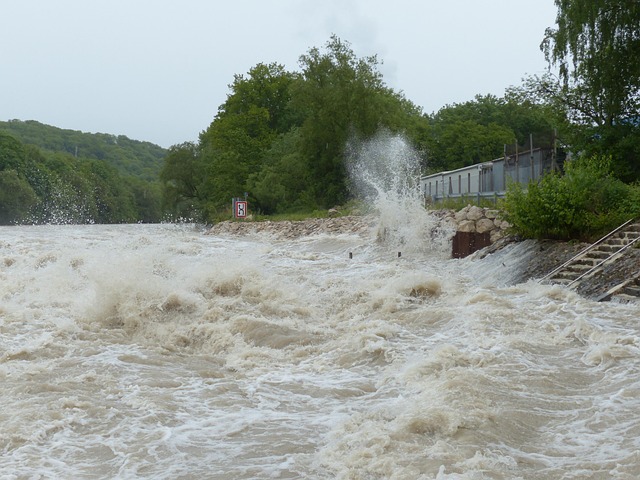
When evaluating property safety in real estate, understanding your location’s flood zone map is paramount. These maps, meticulously created by authorities, classify areas based on their vulnerability to flooding, from low-risk zones to high-risk areas prone to severe inundation. Assessing your property within these zones offers crucial insights for borrowers, underwriters, and homeowners alike.
Flood zone maps are instrumental in guiding loan decisions. Lenders often require a comprehensive understanding of these zones as part of their borrower requirements. For instance, properties in high-risk zones may face stricter lending standards or even denial of financing due to the heightened risk of flood damage. Conversely, properties in low-risk areas enjoy more favorable terms. According to recent data, homes located outside special flood hazard areas (SFHAs) generally experience lower insurance premiums compared to those within these zones.
In addition to loan eligibility, flood zone maps play a significant role in property value assessment and insurance coverage. Real estate agents and appraisers must factor these maps into their analyses to provide accurate property valuations. Homeowners should also be aware of the potential impact on their insurance policies. For example, properties in Zone A, designated as having a 1% annual chance of flooding, may require more extensive flood insurance than those in lower-risk zones. Actively staying informed about your region’s flood zone map and its implications for borrowers is essential for making informed real estate decisions.
Legal Implications and Building Regulations

Navigating the legal landscape surrounding flood zone maps is a critical step for both real estate professionals and borrowers when considering property acquisitions or development. These maps, which identify areas prone to flooding, carry significant implications for building regulations and financial obligations. Lenders and borrowers alike must understand the nuances of these maps to ensure compliance and mitigate potential risks.
One key aspect involves borrower requirements. Lenders are increasingly utilizing flood zone maps to evaluate loan applications. According to recent data from the Federal Emergency Management Agency (FEMA), over 9 million properties are located in high-risk flood zones across the United States. For borrowers seeking financing, a property within these areas may result in mandatory purchase of flood insurance as a condition of the loan. This requirement is not merely a formality; it reflects the higher risk posed by flooding and aims to protect both lenders and borrowers from substantial financial losses. For instance, a borrower in a high-risk zone might face a premium for flood coverage, which can significantly impact their overall borrowing costs.
Furthermore, local building regulations often enforce stringent standards for construction in flood-prone areas. These may include elevated foundation designs, specific plumbing and electrical systems, and robust structural enhancements to withstand potential water damage. Non-compliance with these regulations not only hinders development but can also lead to legal repercussions and financial penalties. For developers and builders, understanding the specific requirements of the flood zone map is essential for obtaining necessary permits and ensuring their projects are legally sound and safe.
Expert advice suggests that all parties involved should thoroughly review the applicable flood zone maps and consult with professionals who specialize in real estate law and building regulations. This proactive approach allows for informed decision-making, enabling borrowers to budget accordingly for additional costs and lenders to mitigate risks associated with flood-prone properties. By staying abreast of these legal implications and regulatory guidelines, individuals and businesses can navigate the complexities of flood zone maps with confidence and ensure their investments are secure.
Mitigation Strategies for Flood-Prone Properties

In many regions, a flood zone map serves as an indispensable tool for both property owners and potential borrowers navigating areas prone to flooding. This detailed geographic representation identifies areas at risk of inundation during various weather events, and understanding these maps is crucial when purchasing or financing real estate in such regions. When assessing properties within designated flood zones, borrowers often face stringent guidelines and requirements imposed by lenders, who use the flood zone map borrower requirements as a critical factor in risk evaluation.
For those living or investing in flood-prone areas, knowledge of potential risks can be empowering. Mitigation strategies can range from simple precautions to more substantial infrastructure improvements. Property owners might consider raising essential appliances and fixtures above predicted water levels, installing waterproof barriers, and ensuring adequate insurance coverage. In cases where the extent of flooding is severe and frequent, more comprehensive measures such as constructing retaining walls or even realigning property boundaries could be necessary. These proactive steps not only protect investments but also demonstrate a borrower’s commitment to managing risks, which can positively influence loan terms and approvals.
Lenders, utilizing data from flood zone maps, play a pivotal role in risk management by requiring borrowers to implement specific measures based on the map’s information. These requirements often include ensuring proper drainage systems, floodproof construction materials, or the installation of protective devices like surge protectors. Compliance with these standards is essential for securing financing and can vary depending on local regulations and historical flooding data. For instance, in areas frequently affected by rapid flash floods, lenders might mandate the installation of gates or barriers to prevent water ingress into buildings. By adhering to these guidelines, borrowers not only safeguard their properties but also contribute to a more resilient community.