
Flood zone maps, mandated by programs like NFIP, identify areas prone to flooding based on historical data. These maps range from low-risk to Special Flood Hazard Zones (SFHZs), requiring specific flood protection measures and influencing lending and insurance requirements. While precise, they represent probabilities; climate change can alter flooding patterns. First-time homebuyers should combine map data with expert advice, local information, and understanding of zoning laws to make informed decisions about high-risk areas, ensuring financial security and minimizing flood-related risks.
In the real estate market, understanding your property’s risks is paramount, especially when it comes to natural disasters like floods. For first-time buyers, navigating this aspect can be daunting, often leaving them unsure about the implications of a flood zone map. This comprehensive report aims to demystify these maps and their critical role in informed decision-making. We will delve into the significance of flood zone mapping, its impact on property values, and the steps prospective buyers should take when considering locations within these zones. By the end, readers will possess the knowledge to make confident choices, ensuring both their safety and investment security.
Understanding Flood Zone Maps: A Primer for Homebuyers
Flood zone maps are critical tools for first-time homebuyers, offering a clear view of potential risks associated with their desired property. These maps, mandated by federal law through programs like the National Flood Insurance Program (NFIP), pinpoint areas prone to flooding based on historical and scientific data. Understanding them is essential in making informed decisions, as they can significantly impact financing options and insurance costs.
The map depicts various zones, from high-risk areas labeled Special Flood Hazard Zones (SFHZs) to lower-risk zones with lesser restrictions. Properties within SFHZs are considered the most vulnerable, often requiring specific measures like floodproof construction or elevated building platforms. Borrowers in these areas may face stringent requirements from lenders, who mandate higher interest rates and larger down payments as a risk mitigation strategy. For instance, a study by the Federal Emergency Management Agency (FEMA) data shows that homes in high-risk zones have historically seen insurance premiums 20-40% higher than those in lower-risk areas.
While flood zone maps provide crucial information, it’s important to remember they represent probabilities rather than guarantees. Weather patterns are dynamic, and climate change can alter flooding patterns over time. As such, borrowers should not solely rely on these maps but also seek expert advice from real estate agents or engineers who can offer insights into local conditions. Additionally, staying informed about community-specific measures, like flood control projects or elevation standards, is vital. By combining this knowledge with accurate mapping data, first-time buyers can make more prudent decisions and plan for potential financial implications related to flood zone map borrower requirements.
Identifying High-Risk Areas: Tools for Comprehensive Research

Identifying high-risk areas is a critical step for first-time homebuyers, especially when navigating the complexities of flood zone maps. These detailed maps, often mandated by regulatory bodies, offer essential insights into potential flooding hazards. By understanding where these risks lie, borrowers can make informed decisions about their future homes and take proactive measures to protect themselves financially. One of the primary tools at a borrower’s disposal is the National Flood Insurance Program (NFIP) map, which provides a comprehensive view of flood zones across the country.
The NFIP map categorizes areas into different flood risk categories, from low to moderate to high. It utilizes sophisticated modeling and data analysis to predict potential flooding events. For instance, zones designated as Special Flood Hazard Areas (SFHA) are considered at highest risk due to their proximity to bodies of water or historical flooding data. Borrowers should scrutinize these maps to ensure they fully comprehend the flood zone map borrower requirements specific to their desired location. This includes understanding the base flood elevation (BFE), which indicates the minimum height a flood must reach to cover the lowest point of a structure on the property.
Furthermore, local government websites and mapping tools often offer detailed information about flood risks, including historical data on flooding incidents. These resources can provide valuable insights into specific neighborhoods or areas of interest. First-time buyers are advised to conduct thorough research, combining these official tools with professional assessments to make a well-informed decision. By doing so, they can avoid potential pitfalls and secure their financial future in an area that aligns with their needs and minimizes flood-related risks.
Interpreting Map Layers: Decoding Complex Information
When reviewing a flood zone map for the first time, the layers of information can be overwhelming. Each hue, contour line, and symbol represents crucial data about flood risk, yet understanding these elements requires decoding complex geographic and hydrological concepts. For instance, darker shades typically indicate deeper waters during average annual floods, while lighter hues might represent smaller, less frequent events.
Contour lines, spaced closely together, point to steep inclines where water flows quickly, increasing the likelihood of erosion and higher flood levels. These visual cues must be interpreted alongside demographic data, building infrastructure, and environmental factors. Borrowers considering a property in these areas should note that certain lenders may have stricter requirements for flood zone map borrower protections, including mandatory flood insurance policies to mitigate financial risk.
Furthermore, some maps may include historical flood event information, offering insights into past severity. This contextual knowledge allows buyers to assess not only current risks but also potential future challenges. For instance, understanding the 100-year flood plain—areas with a one percent chance of flooding in any given year—is essential for informed decision-making. By carefully examining these layers and seeking expert guidance when necessary, first-time homebuyers can navigate the complexities of a flood zone map with confidence, ensuring they make well-informed choices about their future homesite.
Local Regulations and Zoning: Impacts on Property Choices
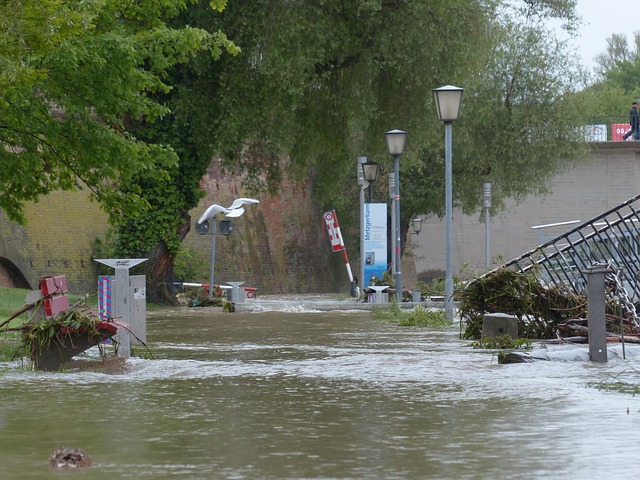
Understanding local regulations and zoning laws is an essential step for first-time homebuyers, especially when navigating areas prone to flooding. These guidelines significantly impact property choices, often dictating where and what type of home one can construct or purchase within a specific region. One critical tool in this process is the flood zone map, which provides detailed information about potential flood risks across different zones.
Many lenders require borrowers to consult these maps as part of their loan application process, ensuring that properties are located in areas with appropriate measures in place to mitigate flood dangers. For instance, in regions with a history of severe flooding, buildings may need to be constructed on higher ground or designed with specific flood-resistant features. The map categorizes land into zones based on historical flood data and risk levels, from low to moderate to high. Homebuyers should scrutinize these classifications as they directly influence building restrictions and insurance requirements.
Local zoning boards enforce these regulations, often collaborating with national mapping agencies to keep flood zone maps up-to-date. These authorities dictate land use, building codes, and permitted structures within a community. For first-time buyers, engaging with local planning departments early in the search process can provide valuable insights into potential property constraints and opportunities. Understanding these regulations is crucial for making informed decisions, avoiding costly mistakes, and ensuring that any desired home purchase aligns with both personal preferences and local guidelines.
Mitigating Risks: Insurance Options for First-Time Buyers

For first-time homebuyers, navigating the complexities of purchasing a home within a flood zone can be daunting. Understanding the risks associated with these areas is paramount to making informed decisions. A crucial step in this process involves delving into local flood zone maps, which provide valuable insights into potential hazards and necessary precautions. These maps, often maintained by federal, state, or local agencies, depict designated floodplains, highlighting areas prone to flooding events. By utilizing these resources, borrowers can mitigate risks and make more sustainable choices.
One of the primary considerations for first-time buyers is securing appropriate insurance coverage. Traditional home insurance policies may not adequately cover losses incurred due to flooding. As such, many lenders now require borrowers purchasing properties in high-risk flood zones to obtain flood insurance. This additional layer of protection ensures that homeowners are financially prepared for potential water damage and subsequent repairs or rebuilding efforts. According to the National Flood Insurance Program (NFIP), over 20% of claims processed between 2016 and 2020 were from properties located in special flood hazard areas, emphasizing the need for proactive risk management.
When exploring insurance options, borrowers should compare policies offered by various providers, considering both cost and coverage specifics. Some companies may offer tailored plans for flood zone map borrowers, catering to unique risks associated with these locations. For instance, policyholders might benefit from reduced deductibles or additional coverage for specific items like furniture and appliances. Moreover, understanding the NFIP’s role in insuring properties against flooding is essential, as their maps classify zones based on flood risk levels, enabling borrowers to identify areas where insurance mandates are more stringent. By adhering to these requirements, first-time buyers can ensure they’re adequately protected while navigating the complexities of the real estate market.
Case Studies: Successful Navigations of Flood Zones

When considering a property purchase, especially for the first time, navigating the complexities of a flood zone map can seem daunting. Yet, for borrowers, understanding these maps and their implications is crucial. Successful navigations of flood zones by savvy borrowers have shown that with the right knowledge and approach, managing potential risks can lead to rewarding homeownership.
Case studies of borrowers who’ve successfully navigated these waters reveal several key strategies. First, thorough research is paramount. Utilizing comprehensive flood zone maps, available through government agencies, borrowers can identify areas prone to flooding, enabling them to make informed decisions. For instance, in coastal regions, mapping data can pinpoint properties within high-risk flood zones, prompting buyers to consider alternatives or take necessary precautions.
A second strategic step involves engaging professionals. Mortgage lenders and real estate agents specializing in flood zone properties offer invaluable guidance tailored to borrower requirements. These experts can advise on available insurance options, like flood insurance policies, which can mitigate financial risks. In areas like the United States, data from the Federal Emergency Management Agency (FEMA) plays a significant role in determining flood zone maps and associated insurance requirements for borrowers.
Lastly, borrowers should explore potential advantages within flood zones. Many areas with manageable flood risks offer below-market property prices, providing opportunities for savvy investors. For example, post-disaster areas may exhibit resilient real estate markets, allowing borrowers to secure desirable properties at competitive rates. By understanding and adhering to the requirements outlined in flood zone maps, borrowers can successfully navigate these unique markets, ensuring a secure and rewarding investment.